


Successful diabetes management relies on several key components working together: therapeutic insulin administration, consistent mealtimes, regular exercise, maintaining a healthy body weight, and close monitoring by both you and your veterinarian.
Diet plays an important role in this process, but it is only one piece of the puzzle. Many owners spend hours searching for the best dog food for diabetic dogs, hoping that there is one perfect formula that will control their dog’s blood sugar. In reality, there is no single “best” dog food for dogs with diabetes. Instead, the ideal diet is one that provides complete and balanced nutrition, supports all the areas that need attention for your dog’s overall health and wellbeing, and can be fed consistently every single day.
What Is a Good Diabetic Dog Food?
When looking for the best dog food for diabetic dogs, we want to meet these goals:
- The diet should provide complete and balanced nutrition appropriate for your dog’s age and size.
- The food can be fed and consumed by your dog in consistent portions every day, which means a formula and format you are comfortable handling and one that your dog is excited to eat.
- The food contains high-quality ingredients and fits any other medical conditions or sensitivities your dog may have.
One of the biggest misconceptions is that a diabetic dog must eat a special prescription food. While prescription diets can be extremely beneficial for some dogs, they are not required for every patient. Many diabetic dogs do well on a high-quality adult maintenance diet, however, others may benefit from veterinary diets designed for controlling diabetes, weight management, or pancreatitis.
The right choice depends on your individual dog, not simply the diabetes diagnosis. If a dog is well-regulated on insulin and is doing well with their current diet, there may be little reason to change it. The most important nutrition principle is consistency. Feeding the same food, in the same amount, and on the same schedule every day helps keep the insulin requirement in the body predictable and blood glucose (sugar) levels stable.
Where Things Get Tricky
Where things can get tricky is if your dog has another condition in addition to diabetes. Diabetes rarely occurs in isolation, and many diabetic dogs are middle-aged or seniors that also struggle with conditions like obesity, pancreatitis, hyperlipidemia (high cholesterol and/or triglycerides in the blood), kidney disease, food allergies or sensitivities, and osteoarthritis. These concurrent diseases often influence diet selection more than diabetes itself.
For example, a diabetic dog with chronic pancreatitis will likely require a low-fat diet, while a diabetic dog with chronic kidney disease may require adjustments to protein and phosphorus levels. Your veterinarian will recommend a diet that addresses your dog’s entire health picture rather than focusing solely on blood-sugar control.
Many owners want to know what the best dry dog food for their diabetic dog for good reasons. Dry kibble offers several advantages such as being cost-effective, easy to measure and store, and widely available in multiple formulations for just about every ailment that exists. Many diets designed specifically for diabetic dogs contain increased levels of soluble and insoluble fiber along with complex carbohydrates that digest slowly. Together, these nutrients help reduce rapid spikes in blood glucose after meals and maintain steadier blood sugar throughout the day.
Dry food also makes portion control easier, which is particularly important if your dog needs to lose weight. However, dry food is not automatically better than canned. Nutrient composition between brands and formulas varies widely, so considering the nutrient profile of a specific food is more important than whether it is a dry or wet food.
Canned dog food can be an excellent option for diabetic dogs, as canned food naturally tends to contain higher moisture and protein, lower carbohydrate content, and excellent palatability. This can be particularly helpful for older dogs, dogs with dental disease, picky eaters, or dogs that need additional hydration.
Some canned foods also produce a smaller rise in blood glucose after meals as they often contain lower levels of rapidly digestible carbohydrates. However, canned foods tend to cost significantly more than their dry counterparts, especially when you are feeding a medium- or large-breed dog. For many families, feeding a high-quality dry diet consistently is far more practical than switching to a canned food that may become financially difficult to maintain.
Nutrients for Diabetic Dogs
When looking at the nutrients that are important for diabetic dogs, protein is usually at the top of the list. Diabetic dogs generally benefit from diets that contain moderate levels of high-quality protein. Providing adequate protein levels helps maintain lean muscle mass, supports a healthy metabolism, promotes satiety, and helps maintain a healthy body weight.
Muscle tissue plays an important role in glucose utilization throughout the body. Preserving lean body mass becomes especially important for older diabetic dogs, as they tend to naturally lose muscle as they age. Protein restriction should only be implemented if another disease, such as kidney disease, makes it medically necessary.
Another common question is whether diabetic dogs need low-fat diets. While the condition of diabetes does not automatically require fat restriction, and many diabetic dogs do well on moderate levels of fat in a diet, fat levels become important if your dog has chronic pancreatitis, a history of pancreatitis, hyperlipidemia, obesity, or digestive issues triggered by fat.
Pancreatitis requires special attention as it commonly occurs alongside diabetes. Dogs with pancreatitis often require carefully controlled fat levels to reduce the risk of future flare-ups. If your veterinarian diagnoses both diabetes and pancreatitis, dietary fat usually becomes one of the highest nutritional priorities.
Carbs and Diabetes in Dogs
One of the biggest myths surrounding diabetes is that carbohydrates are bad. The reality is far more nuanced and diabetic dogs do not necessarily need a carbohydrate-free diet. Instead of avoiding carbs entirely, the focus should be consistent carbohydrate intake, high-quality carbohydrate ingredients, slowly digestible, complex carbs, and appropriate fiber levels.
Complex carbs digest more slowly than refined carbs and simple sugars, leading to a more gradual release of glucose into the bloodstream.
Quality ingredients for a carbohydrate source include barley, oats, brown rice, sorghum, and some legumes.
Fiber is important for diabetic dogs and has been extensively studies for its role in blood sugar control. Many therapeutic diabetic diets contain increased levels of both soluble and insoluble fibers, which aim to slow stomach emptying and glucose absorption, reduce post-meal blood glucose spikes, and improve satiety.
Research has shown that many diabetic dogs experience improved glycemic control when fed diets containing increased fiber levels and slowly digestible carbohydrates as a part of a consistent feeding schedule. It is important to remember that every diabetic dog responds differently. Some dogs regulate well on higher-fiber diets, while others achieve better control on diets with moderate fiber and lower carbohydrate content. Your veterinarian may recommend adjustments based on your dog’s blood glucose curves or continuous monitoring results.
Consistent Nutritional Management
No matter which food you choose, consistency remains the cornerstone of nutritional management. Most diabetic dogs benefit from eating two measured meals per day, with each meal given at approximately the same time every day. For dogs receiving twice-daily insulin, meals are typically fed immediately before or at the time of insulin administration, allowing owners to confirm their dog has eaten before giving the injection.
Regular exercise is equally important. Daily activity should remain relatively consistent, as sudden increases or decreases in exercise can significantly affect blood glucose levels and insulin needs.
Treats should make up only a small portion of your dog’s daily calorie intake and should fit within their overall nutrition plan. Ideally, owners should choose treats that are high in protein and low in fat and simple carbohydrates. Avoid semi-moist treats, soft-chew treats, and products containing added sugars, syrups, molasses, or large amounts of simple carbohydrates, as these may cause unwanted increases in blood glucose. Likewise, avoid frequently changing treats, since even small dietary changes can affect diabetic regulation in some dogs.
Monitor the Dog’s Appetite
One of the most important rules for caring for a diabetic dog is to monitor their appetite closely. If your diabetic dog refuses food, vomits repeatedly, seems unusually lethargic, or suddenly begins drinking or urinating much more than normal, contact your veterinarian immediately. Do not continue administering your usual insulin dose to a dog that has stopped eating unless your veterinarian has provided you with a specific sick-day plan.
Changes in appetite are often one of the earliest signs that something else is wrong. In diabetic dogs, decreased appetite can signal the onset of pancreatitis, urinary tract infections, dental disease, diabetic ketoacidosis, or other illnesses that require prompt veterinary care. Early intervention not only helps treat the underlying problem but can also prevent serious complications related to diabetes.
The Best Food for Diabetic Dogs?
Ultimately, there is no universally perfect food for all diabetic dogs. The best diet is one that is complete and balanced, nutritionally appropriate for your dog’s overall health, fed in carefully measured portions, and offered consistently every day. Combined with appropriate insulin therapy, regular veterinary monitoring, and a predictable daily routine, the right diet can help many diabetic dogs enjoy excellent quality of life for years after diagnosis.
Important: Every diabetic dog is different. Before changing your dog’s food, consult your veterinarian. A change in diet can alter insulin requirements, and your vet may recommend monitoring blood glucose levels more closely while transitioning to a new food.
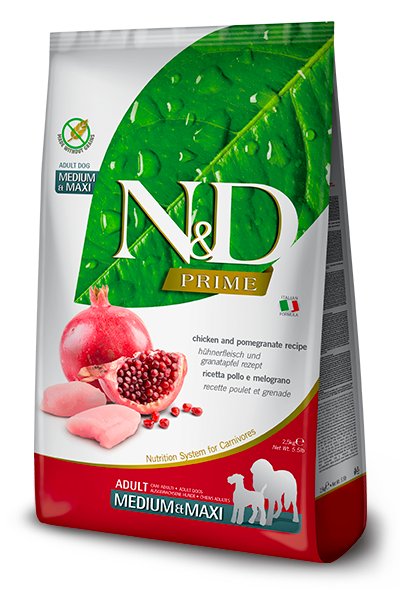
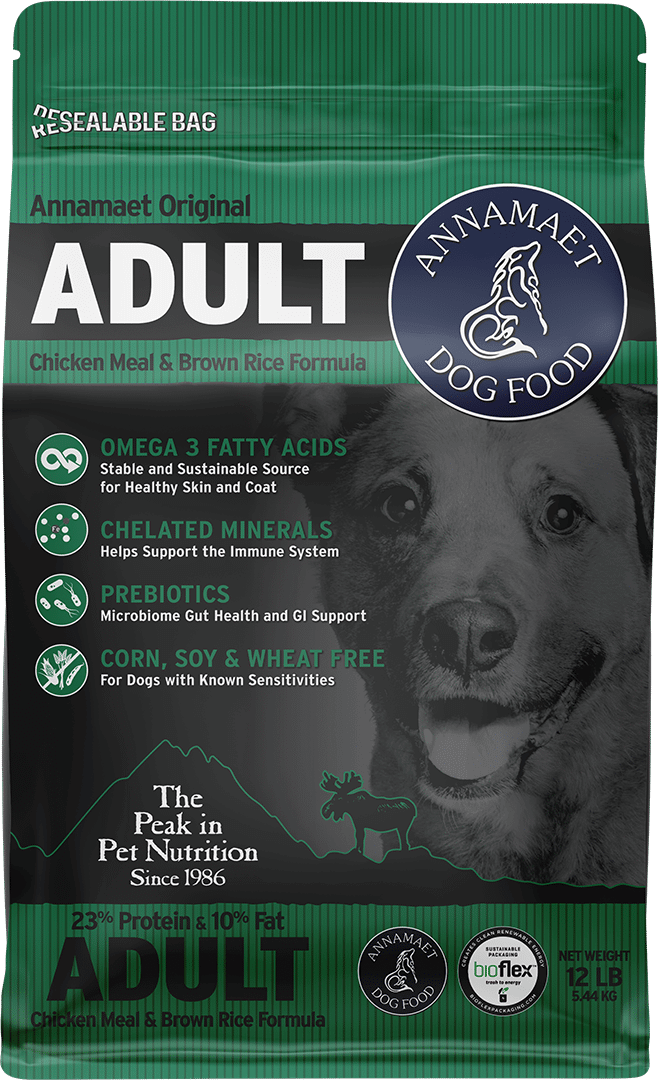
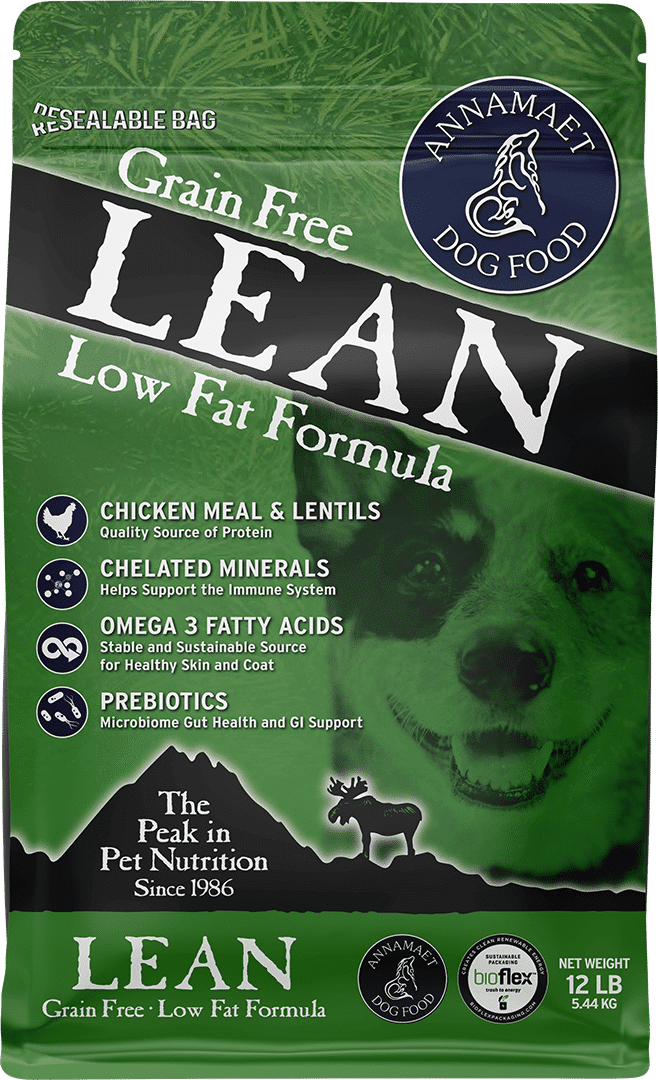
Our favorite non-prescription foods for diabetic dogs are listed here, but you need to make the choice with your veterinarian’s input for your individual dog. In our opinion, these foods are top choices in most closely matching the food requirements outlined in this article. Remember, diabetes is a complex disease, and managing it requires attention to detail.
High Protein, Moderate Fat Dog Food for Diabetic Dogs
Lower-Fat Dog Food for Diabetic Dogs

Canned Dog Food for Diabetic Dogs


Thank you for finally doing an article on diabetic nutrition. You are correct it’s a balancing act. My girl has been diabetic for 5 years.