

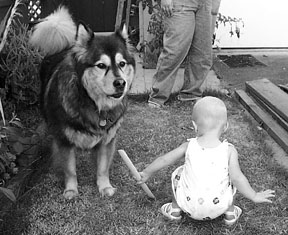



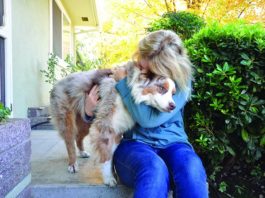
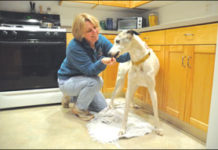
Maintaining Healthy Physical Contact with Your Dog
Have you ever stopped to think about how many times a day you do something to your dog that involves physical contact? I’m not talking about petting him when he nudges up against your leg; I’m talking about grasping his collar, putting his leash on, picking him up, wiping debris from the corners of his eyes, wiping the mud off his paws, trimming fur somewhere on his body, and many more “husbandry” procedures that require various degrees of restraint and touch. Chances are you really only think about it when your dog protests, but chances are he thinks about it every time you reach for him.
Dog Rehoming: When Is It the Right Decision?
the harder she will be to rehome. Dogs who are very old
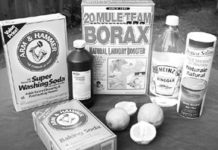
Dog-Safe House Cleaning Products
Take a look at those household cleaners under your sink and in your laundry room. Many of them list a plethora of toxic ingredients including petroleum distillates, mineral spirits, formaldehyde, and others that have been proven carcinogenic and mutagenetic. As concerned consumers we can try to purchase safe and healthy products for our pets, but it is not always easy. Many products on the market today are considered proprietary and closely guard their formulas as trade secrets, making it impossible for us to judge their contents. Homemade cleaning products can keep your house perfectly clean for less money and at a lower cost to the health of your canine and human family.